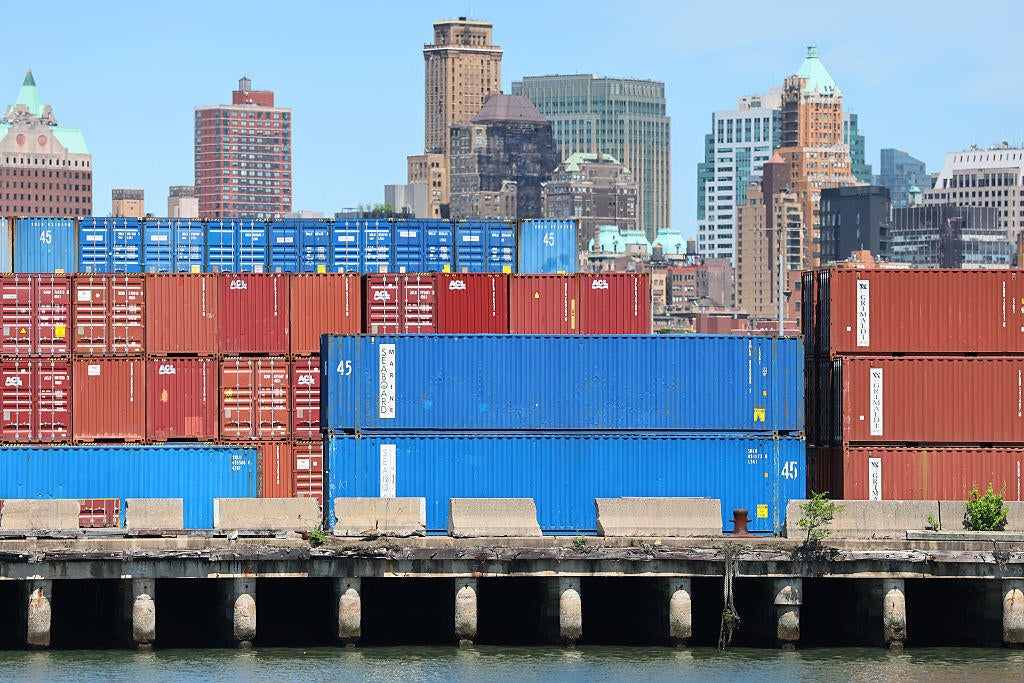
In a landscape marked by geopolitical turbulence and escalating energy costs, the spotlight has fallen firmly on a key piece of American legislation: the Jones Act. Recently, the discussion around President Donald Trump's consideration, and subsequent issuance, of a temporary domestic shipping waiver for its provisions has captured national attention. This move, aimed at alleviating inflationary pressures on fuel and essential goods, signifies a critical response to immediate economic and national security concerns, promising to fuel savings and stabilize vital US ports.
Understanding the Jones Act and the Call for a Domestic Shipping Waiver
What is the Jones Act?
The Merchant Marine Act of 1920, commonly known as the Jones Act, is a century-old federal law designed to protect and promote the American maritime industry. Its core mandate is straightforward: any goods transported by water between U.S. ports must be carried on vessels that are built in the United States, owned by U.S. citizens, and crewed by U.S. citizens. The underlying intent of this legislation was, and remains, multifaceted – fostering a robust domestic shipbuilding industry, maintaining a skilled maritime workforce, and ensuring national security by preserving a merchant marine fleet capable of supporting military operations in times of need.
The Economic Impact and Criticisms
While the Jones Act undeniably serves strategic national interests, it has long been a subject of economic debate. Critics argue that its stringent requirements create a scarcity of eligible vessels, driving up shipping costs compared to what might be achieved with a broader, globally competitive fleet. This perceived inflation of domestic shipping expenses becomes particularly pronounced during periods of economic strain or supply chain disruption. In the current climate of soaring crude oil, gasoline, and diesel prices, the cost implications of the Jones Act have become a central point of contention, leading to calls for a strategic domestic shipping waiver to provide much-needed relief to consumers and industries alike.
The Rationale Behind Trump's Jones Act Waiver Decision
Tackling Soaring Energy Prices
The primary catalyst for the consideration of a temporary Jones Act suspension has been the dramatic surge in energy prices. With U.S. benchmark West Texas Intermediate crude oil recently settling at nearly $100 per barrel and the national average for regular grade gasoline climbing to levels not seen in months, the burden on American consumers and businesses became increasingly untenable. This rapid escalation was exacerbated by ongoing geopolitical tensions, particularly the U.S.-Israeli conflict with Iran, which introduced significant instability to global oil markets.
By allowing foreign-flagged oil and gas tankers, which are typically cheaper to charter than their U.S.-owned counterparts, to transport liquid fuels between domestic ports, the waiver seeks to inject immediate competition and capacity into the system. This increased flexibility is projected to yield tangible savings for consumers, particularly in regions like the Northeast and along the West Coast. These areas, having seen a decline in local refinery operations over the past two decades, are more reliant on maritime transportation for refined fuels. Analysts from industry experts like GasBuddy's Patrick De Haan suggested that such waivers could lead to gasoline price reductions of approximately 2 cents to 10 cents per gallon in these key regions, offering a welcome respite for household budgets.
National Security and Supply Chain Resilience
Beyond immediate price relief, the Trump administration explicitly cited national security as a pivotal reason for exploring and ultimately issuing the Jones Act waiver. White House Press Secretary Karoline Leavitt underscored that the temporary suspension was intended to "ensure vital energy products and agricultural necessities are flowing freely to U.S. ports." This stance is particularly critical given the precarious global supply chain landscape. The closure of strategic maritime passages, such as the Strait of Hormuz – through which over 30% of global nitrogen fertilizer and components, alongside a significant portion of global oil supplies, typically transit – highlights the vulnerability of international trade routes to geopolitical events. The ability to quickly augment domestic shipping capacity through a domestic shipping waiver becomes a crucial tool for safeguarding the nation's energy independence and ensuring the continuous flow of essential goods.
The waiver's scope was also expanded to include not only oil, gasoline, diesel, and natural gas but also critical agricultural inputs like urea and other fertilizers. With northern hemisphere growers entering a vital planting season, global shortages of fossil fuel-derived fertilizers, compounded by trade disruptions, pose a significant threat to food security. Facilitating the unrestricted movement of these agricultural necessities reinforces the waiver's strategic importance. For a deeper dive into how such measures bolster the nation's energy and agricultural lifelines, explore US Shipping Waiver: Battling Fuel Prices & Securing Energy Supply.
Broader Implications and Potential Outcomes of a Temporary Waiver
Immediate Economic Relief and Market Dynamics
The most immediate and tangible outcome of a temporary domestic shipping waiver is the potential for swift economic relief. By introducing more affordable foreign-flagged vessels into the domestic shipping lanes, the waiver directly addresses the supply-demand imbalance that contributes to high transportation costs. This surge in shipping capacity is expected to stabilize the market, reducing transit times and logistical bottlenecks, particularly for critical commodities. While the waiver is temporary—often set for a 30-day period—its impact could be felt rapidly as market participants adjust their strategies to leverage the newfound flexibility. This short-term intervention demonstrates a governmental agility designed to cushion the blows of external economic shocks.
Navigating the Trade-offs: Benefits vs. Concerns
While the benefits of cost reduction and supply stabilization are clear, a Jones Act waiver is not without its complexities. Proponents of the Jones Act often express concerns about the long-term implications of such waivers, arguing they could erode the competitiveness and readiness of the U.S. maritime fleet. There's a delicate balance to strike between immediate economic relief and the strategic importance of nurturing a robust domestic shipbuilding and shipping industry. The administration’s emphasis on the waiver being for a "limited period of time" and strictly in the "interest of national defense" serves to mitigate these concerns, framing it as an exceptional measure rather than a precedent for wholesale deregulation. It underscores a strategic choice to prioritize national security and consumer welfare during extraordinary circumstances, while aiming to minimize potential adverse effects on the domestic maritime sector.
Beyond the Waiver: Long-term Strategies for US Maritime Strength
Diversifying Energy Sources and Refining Capacity
While a domestic shipping waiver offers immediate respite, a more sustainable long-term strategy for the U.S. involves reducing its vulnerability to volatile global energy markets and domestic logistical constraints. This includes strategic investments in diversifying energy sources, moving towards cleaner and more localized production, and crucially, bolstering domestic refining capacity. By bringing more refining capabilities closer to consumption centers or to areas with robust pipeline infrastructure, the reliance on long-distance maritime shipping for refined products can be lessened, mitigating some of the very pressures that necessitate Jones Act waivers in the first place.
Modernizing the US Maritime Fleet
To truly ensure maritime strength and reduce the need for temporary waivers, a concerted effort is required to modernize and expand the U.S.-flagged fleet. This involves government incentives for shipbuilding, investments in advanced maritime technologies, and programs to train and retain skilled American mariners. A modern, efficient, and competitive U.S. fleet would not only enhance national security but also reduce the economic disparity between U.S. and foreign-flagged vessels, thereby diminishing the arguments for Jones Act suspensions. Strengthening the core capabilities of the U.S. maritime industry is an investment in long-term economic resilience and national readiness. For a detailed breakdown of the Act's nuances and its economic implications, refer to Jones Act Waiver Explained: Easing US Fuel & Fertilizer Costs.
Policy Considerations for Future Crises
The Trump administration's decision highlights the critical need for agile and responsive policy mechanisms to navigate future crises. This includes not only the judicious use of waivers but also the development of clear frameworks for their deployment, ensuring transparency and minimizing market uncertainty. Furthermore, enhancing strategic reserves for both energy and critical agricultural inputs, along with robust contingency plans for supply chain disruptions, will be vital. These proactive measures, combined with ongoing dialogue between government, industry, and maritime stakeholders, will pave the way for a more resilient and secure American economic future, where critical supplies remain stable even in the face of unforeseen global challenges.
Conclusion
President Trump's temporary domestic shipping waiver for the Jones Act is a decisive measure in response to immediate economic and national security challenges. By allowing greater flexibility in maritime transport, it directly addresses soaring fuel prices and bolsters the supply chain for essential energy and agricultural products. This action underscores a strategic commitment to fueling savings for consumers and stabilizing U.S. ports during a period of heightened global instability. While the waiver provides crucial short-term relief, it also ignites a broader conversation about long-term strategies for enhancing America's maritime strength and ensuring resilient supply chains for future generations.